Warning: Undefined property: stdClass::$body in
/opt/homebrew/var/www/index.php on line
4666
Deprecated: base64_decode(): Passing null to parameter #1 ($string) of type string is deprecated in
/opt/homebrew/var/www/index.php on line
4666
Recognizing a True Dental Emergency
Not every toothache requires a rush to the office, but some oral problems do need immediate attention to protect your health and preserve your smile. Severe, sudden pain; uncontrolled bleeding; a tooth that has been knocked out or fractured; and signs of spreading infection — such as fever, facial swelling, or difficulty breathing or swallowing — are all situations that should be evaluated without delay. If you or a family member experience any of these symptoms, seek prompt care to reduce the risk of complications.
When in doubt, it’s better to err on the side of caution. Rapid assessment can prevent a treatable issue from becoming more serious or even systemic. Even if the problem seems minor at first, changes that occur over hours or days — increasing pain, swelling, or mobility — are reasons to contact your dental provider right away. Early evaluation helps the clinical team determine whether immediate intervention or a scheduled appointment is the right course.
Patients often find it helpful to note exactly what happened and when symptoms began before arriving at the office. Bring any broken tooth fragments, crowns, or removable appliances you can find, and be prepared to describe recent injuries, medical conditions, and medications. This information helps clinicians prioritize care and begin appropriate treatment as quickly as possible.
How Our Team Evaluates and Stabilizes Emergencies
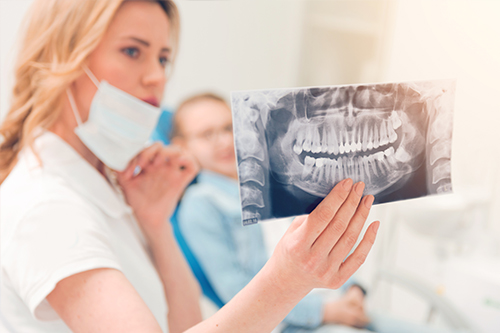
Emergency dental care begins with focused triage: identifying the most urgent concerns and addressing them to stabilize the patient. The initial evaluation usually includes a targeted medical and dental history, a visual exam of the mouth and surrounding structures, and, when needed, imaging to clarify the extent of an injury or infection. This process allows clinicians to develop an efficient, evidence-based plan for relief and repair.
Pain control and infection management are commonly addressed first. Depending on the finding, treatment may include local anesthesia to allow comfortable examination and procedures, prescribing an appropriate medication for infection or inflammation, or providing temporary measures to protect a compromised tooth. These steps are intended to relieve acute symptoms and reduce the likelihood of further damage while definitive care is arranged.
Stabilization can also involve short-term restorative work, such as reattaching a crown, smoothing a sharp fracture, or placing a temporary filling or band to protect exposed tooth structure. Clear communication about next steps — what was done, why, and what follow-up is recommended — helps patients feel informed and supported throughout the emergency care process.
Typical Dental Emergencies We Manage
Dental emergencies come in many forms, and effective emergency treatment requires both experience and versatility. Our practice regularly sees patients with severe toothaches, broken or chipped teeth, lost restorations, and problems related to wisdom teeth. We also treat infections of the gums and soft tissues, traumatic injuries, and issues with removable prosthetics that suddenly become unusable or painful.
- Severe toothaches or persistent pain
- Chipped, cracked, or fractured teeth
- Knocked-out (avulsed) or dislodged teeth
- Lost or damaged crowns and fillings
- Swelling, abscesses, and suspected oral infections
- Broken, ill-fitting, or damaged dentures
- Problematic or impacted wisdom teeth causing acute symptoms
- Bleeding, swollen, or painful gums
- Sores or lesions in the mouth that are painful or change rapidly
Some conditions, such as a minor chip that is not painful, can often wait for routine care. Others — particularly injuries involving visible tooth movement, extensive exposure of the nerve, or signs of spreading infection — should be seen immediately. Proper diagnosis determines whether a tooth can be saved, needs urgent restorative work, or requires referral for specialized care.
Treatment Paths: From Short-Term Relief to Definitive Care
Treatment for an emergency depends on what the evaluation reveals. For many painful tooth problems, the first goal is to remove the source of pain and protect the tooth. That can mean placing a filling, performing bonding to repair a chip, or placing a temporary crown to stabilize a fractured tooth. When the dental pulp (nerve tissue) is severely inflamed or infected, root canal therapy is often the definitive treatment that saves the natural tooth.
In some cases the damage is too extensive for conservative repair, and extraction becomes the safest option. While losing a tooth is never ideal, modern replacement options allow for restoration of function and appearance. Dental implants, fixed bridges, and removable prostheses each have a role depending on clinical factors and patient preference. Your clinician will discuss the most appropriate next steps and the timeline for restorative treatment following an emergency.
When immediate repairs are made, follow-up visits are an essential part of care. These appointments allow the team to monitor healing, complete definitive restorations, and coordinate any specialist referrals. Clear post-treatment instructions help patients manage discomfort and protect the treated area until more permanent care can be provided.
Aftercare, Comfort Measures, and Preventing Future Emergencies
Proper aftercare reduces pain and speeds recovery. Basic measures such as using cold compresses to control swelling, taking recommended medications as directed, and avoiding hard or chewy foods on the affected side are practical first steps. Gentle rinsing with warm salt water can soothe soft-tissue irritation, while careful oral hygiene helps prevent secondary infection. If you experience worsening symptoms after treatment, contact the office so the team can reassess the situation.
Many dental emergencies stem from preventable causes: untreated decay, weakened restorations, or accidents during sports and daily activities. Protective strategies — like wearing a mouthguard during impact sports, addressing small dental problems before they worsen, and keeping routine dental visits — significantly reduce the likelihood of urgent care needs. Patient education is part of emergency care; helping patients understand risk factors empowers them to make choices that protect long-term oral health.
Our goal is to deliver timely, compassionate emergency treatment and a clear plan for recovery. Smith Tano Dental Group is committed to helping patients regain comfort, preserve dental health when possible, and plan for lasting restoration when needed. If you are experiencing a dental emergency or are unsure whether your symptoms require urgent care, please contact us to discuss your situation and arrange timely evaluation.