At the practice of Smith Tano Dental Group, we focus on more than clean teeth — we teach families how to raise children with strong, confident smiles. Pediatric dentistry blends clinical skill with an understanding of childhood behavior, growth, and development so that every visit supports both oral health and emotional comfort.

Healthy habits start long before permanent teeth appear. When parents introduce age-appropriate brushing, gentle rinsing where applicable, and routine dental visits early on, children learn that oral care is a normal, manageable part of life. That early familiarity reduces anxiety and makes preventive care a shared family routine rather than a chore.
Prevention is the cornerstone of pediatric dentistry. Regular monitoring enables clinicians to detect small concerns — like early enamel changes or bite irregularities — and address them before they become complex problems. The focus is on minimizing the need for invasive treatments and maximizing the child’s comfort and sense of safety.
An approach that combines education, gentle technique, and positive reinforcement creates better outcomes. Our goal is to partner with caregivers, offering practical strategies that make good oral health accessible at home and manageable through each developmental stage.
Routine preventive care for children is not a one-size-fits-all checklist. Each visit evaluates more than cavities: clinicians assess eruption patterns, jaw growth, soft tissues, and behaviors that influence oral health. These exams are also opportunities to coach families on brushing technique, fluoride use, and protective measures like sealants when appropriate.
Professional cleanings remove plaque and polish tooth surfaces, while selective x-rays provide important context about developing teeth — especially when spacing, eruption timing, or possible decay below the surface is a concern. Modern digital imaging keeps radiation low while giving clinicians the information they need to plan care confidently.
As children grow, care plans evolve. Preventive strategies for toddlers differ from those for preteens playing sports or teenagers undergoing orthodontic treatment. A thoughtful, stage-based approach helps ensure every child receives the right prevention at the right time.
Experts recommend establishing dental visits early — usually by the first birthday or when the first teeth appear — and maintaining regular visits thereafter. These checkups focus on early detection of issues and reinforcing healthy routines. For most children, an exam and cleaning every six months is a sensible baseline, with adjustments made as individual needs require.
During a typical appointment, the dentist performs a visual exam of the mouth, evaluates the bite and jaw alignment, and discusses diet and oral habits with caregivers. If signs of decay or developmental concerns appear, targeted x-rays or additional preventive measures may be recommended to protect the child’s oral health moving forward.
Children benefit from a calm, predictable experience. Our team prioritizes clear communication, gentle technique, and age-appropriate explanations so that each visit builds trust and reduces stress for both child and caregiver.
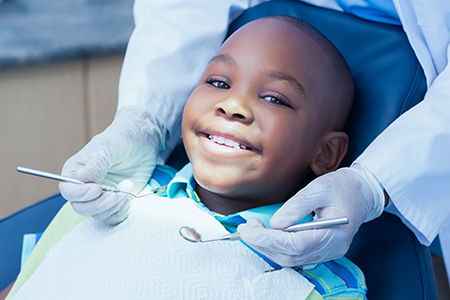
Tooth decay remains a common challenge in childhood, but many cases are preventable with consistent home care and clinical support. Brushing twice daily with a soft-bristled brush, introducing a smear or pea-sized fluoride toothpaste at the appropriate age, and supervising flossing during early mixed dentition are simple steps that dramatically reduce risk.
Nutrition plays a major role as well: limiting frequent sugary snacks and replacing sugary drinks with water reduces the oral environment where decay-causing bacteria thrive. Encouraging balanced meals and smart snacking supports both dental health and overall growth.
Physical protection is another practical consideration. For active children involved in sports, a properly fitted mouthguard can reduce dental injury. Discuss activity levels with your dental team so they can recommend the right type of protection when needed.
Start dental visits early to normalize care and allow the team to monitor development routinely.
Establish supervised brushing for young children and introduce flossing when teeth begin to touch.
Avoid allowing infants to fall asleep with bottles containing milk or juice to reduce prolonged exposure to sugars.
Keep regular appointments and follow professional recommendations for sealants, fluoride varnish, or other preventive services when appropriate.
Encourage healthy eating habits and limit sugary beverages; water is the best everyday choice.
Work with your child on ending pacifier use and thumb-sucking at developmentally appropriate times to avoid long-term alignment issues.
Consider a custom or boil-and-bite mouthguard for contact sports to protect teeth and soft tissues.

First dental visits set the tone for a child’s relationship with oral care. Gentle introductory exams focus on making the child comfortable, checking early tooth development, and helping caregivers learn safe cleaning techniques. These visits are brief, reassuring, and designed to reduce fear.
Parents often have practical questions about teething, feeding practices, and safe oral care for infants. A pediatric dental team can offer straightforward, evidence-based advice — from advising on soothing teething discomfort to recommending when to begin brushing with a tiny amount of fluoride toothpaste.
Because baby teeth serve important roles in chewing, speech, and maintaining space for permanent teeth, early attention is worthwhile. Preventive care and timely interventions help avoid avoidable complications and support healthy development.
As children move into school and adolescence, their oral health needs shift. Changes in diet, increased autonomy with hygiene, and the introduction of orthodontic appliances can present new challenges. Ongoing dental oversight helps identify emerging alignment issues, recommend protective measures, and coordinate care when orthodontics or other specialty services may be indicated.
Monitoring facial growth and tooth eruption is a key part of this stage. Early identification of jaw or bite concerns allows clinicians to recommend timely orthodontic evaluations or interceptive measures that can simplify later treatment and improve long-term outcomes.
Teenagers face unique risk factors — from frequent sports participation to dietary choices and braces-related hygiene challenges — so personalized guidance is essential. Education that respects a teen’s growing independence, paired with practical tools and encouragement, helps maintain healthy habits into adulthood.
Regular exams evaluate not only teeth but the broader pattern of facial growth, jaw symmetry, and soft-tissue health. When orthodontic trends or growth discrepancies appear, the dental team can discuss timing and choices so families are prepared for next steps. Monitoring, rather than rushing, often yields the best balance between prevention and minimal intervention.
Nutrition affects oral tissues and systemic growth. Diets high in processed sugars and sticky snacks increase decay risk, while nutrient-dense foods support enamel strength and soft-tissue health. Counseling about practical, age-appropriate meal and snack swaps can be a powerful part of an office’s preventive plan.
Summary: Pediatric dental care is a partnership between families and clinicians that blends prevention, education, and developmentally appropriate treatment. If you’d like to learn more about how we care for infants, children, and teens, please contact us for additional information.
A pedodontist is a dentist who has received advanced specialty training in meeting the dental needs of children from infancy to adolescence. Pedodontists, also referred to as "pediatric dentists," study child psychology, behavior management, caring for children with special needs, methods of handling oral/facial trauma, and various techniques for providing anesthesia and sedation. Pedodontists also understand the complexities of facial growth and development and have the clinical skills required to meet the dental needs of all children at every stage of development. Most of all, pedodontists are passionate about what they do and enjoy working with children. They strive to make every dental experience a positive one as they help children establish a strong foundation for good oral health.
Even before your child is born, their first set of teeth is already forming. In fact, by one year of age, some of your baby's front teeth will have already come into place. While the arrival of your baby's first teeth is only one of many developmental milestones, it represents an excellent time to begin a program of oral care. According to recommendations from the American Dental Association, babies should see the dentist around the time of their first birthdays.
Your baby's first teeth typically begin to appear in the 6 to 12-month range. While this is an extraordinary milestone, you need to be aware that your baby may find the experience a little bit uncomfortable. Teething can make babies feel irritable. They may be fussy, have trouble sleeping, not want to eat, and drool quite a bit.
Although you are powerless to speed up the process of teething, there are a few things that you can do to soothe your baby as the new teeth are erupting into place. Common approaches to helping your baby feel more comfortable while getting new teeth, include teething rings or a cold spoon or moist gauze rubbed over their gums.
Even for these few new teeth, it's absolutely essential to establish an effective regimen of oral care. For information on when your baby's first set of teeth will erupt into place, consult this timeline from the American Dental Association: Eruption Charts
Some children persist in sucking their thumbs or fingers beyond their preschool years. For these children, the activity continues to be a source of comfort, relaxation, and security. It may even help them fall asleep at night. However, it's essential to be aware that in the long-term, a finger sucking habit is not healthy.
If your child's thumb or finger sucking habit is still present when the permanent teeth begin to come in, your child is at a higher risk of developing a bad bite. By the age of five or six years, you need to constructively and gently help your child stop the habit.
It's also a good idea to have a comprehensive evaluation at this time. Your pedodontist can assess if there are any habit related alterations to the alignment of your child's teeth or jaws, or if it is affecting their speech or swallowing patterns. They can also discuss habit control strategies with you, as well as follow your child's bite and facial development as they grow. If interceptive appliances or corrective orthodontic care are recommended, the timetable and best options in care will be explained in complete detail.